The IESCO subsidy registration QR code July 2026 is one of the main things electricity consumers are searching for right now. Many households want to know how the QR code works, who can use it, and whether it can help with subsidy registration or verification. In July 2026, the QR code system is becoming more important because it helps customers complete registration faster and reduces paperwork delays. In this guide, you will learn how the QR code process works, what details and documents may be needed, and how to avoid common mistakes while registering. The article is written in simple language so first-time users can follow the process easily.
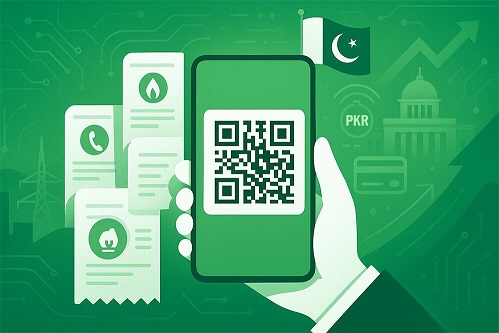
IESCO subsidy registration QR code July 2026: what it means for customers
The IESCO subsidy registration QR code July 2026 is a digital system that allows electricity consumers to access subsidy-related services through a simple QR scan. Instead of filling out long paper forms or visiting offices repeatedly, customers can scan the QR code using a mobile phone and open the registration or verification page directly.
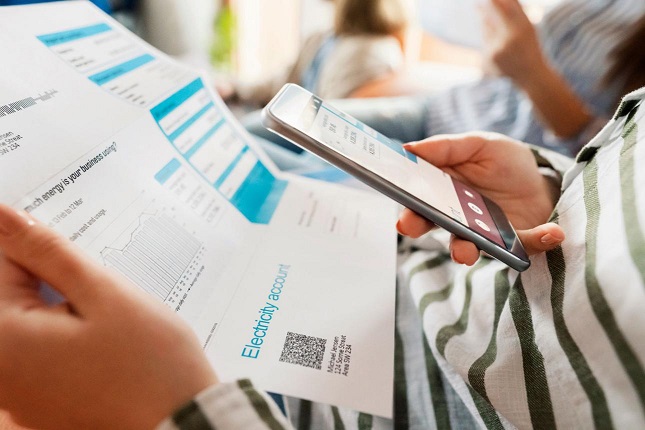
IESCO uses this process to make customer records easier to manage and to improve the speed of subsidy applications. The QR code may appear on official notices, electricity bills, or approved online pages. Once scanned, it usually connects the customer to a secure registration form where account details can be entered.
For many people in July 2026, the QR code system is useful because it reduces confusion and makes tracking applications simpler. Customers can quickly check whether their information has been submitted correctly and may receive confirmation after completing the process. The goal is to make subsidy registration easier for both customers and IESCO offices.
Why IESCO is using QR codes for subsidy registration
IESCO is using QR codes because they help simplify the registration process. Customers can open forms quickly without typing long website addresses. This reduces errors and saves time.
The QR system also helps improve record keeping. Since information is submitted digitally, customer details can be processed faster and stored more accurately. It may also reduce paperwork inside offices and lower waiting times for applicants.
Another advantage is convenience. People can complete many registration steps directly from their phones instead of making multiple office visits. This helps customers stay updated about their subsidy-related status more easily.
Who should check the QR code registration process in July 2026
The QR code registration process may be important for several types of electricity users in July 2026. New applicants who want to apply for subsidy-related support should check the process carefully.
Existing customers may also need it if they are updating account information, correcting records, or confirming eligibility details. Some people may simply want to verify whether their subsidy registration has been completed correctly.
Customers who recently changed mobile numbers, CNIC information, or billing details should also review the registration process to avoid future problems.
How to register with the QR code step by step
The registration process is designed to be simple for most users. Start by finding the official QR code on your electricity bill, official IESCO notice, or approved website source. Open the camera or QR scanner app on your mobile phone and scan the code carefully.
After scanning, a registration page may open automatically in your browser. Read the instructions before entering any information. You may be asked to provide your reference number, account number, CNIC, mobile number, and recent bill details.
Once your information is entered, review every field carefully before submitting. Incorrect numbers or missing details can slow the process. After submission, you may receive a confirmation message or tracking number on the screen or by SMS.
It is also a good idea to save a screenshot or receipt for future reference. This can help if you later need to confirm your registration or contact support.
The process is usually completed within a few minutes if all information is ready beforehand. Customers should always use official sources and avoid unknown links shared online.
What information you may need before scanning
Before starting the registration process, keep your information ready. This can make registration much faster and smoother.
Common details may include:
- Electricity reference number
- Account number
- CNIC number
- Registered mobile number
- Recent electricity bill details
- Address information
Having these details prepared in advance can help reduce errors during submission.
What happens after you scan and submit
After scanning and submitting the form, the system may show a confirmation page. Some users may receive a message confirming that their application or registration has been received.
In some cases, a tracking number or receipt may also appear. Customers should save this information because it may be useful later.
If additional verification is required, the customer may receive further instructions through SMS or the official system. Most users simply need to wait for the registration review process to continue.
Documents, errors, and safety checks you should know before you apply
Before applying through the QR code system, customers should understand the basic requirements and safety checks. Most registrations work smoothly when all information is correct and documents are ready beforehand.
Customers are often asked to provide a recent electricity bill, CNIC details, and accurate contact information. Some applications may also require proof of address or updated account information. Keeping these documents nearby can help avoid delays during submission.
It is also important to check the QR code carefully before scanning. Official QR codes usually appear on trusted IESCO sources, official notices, or verified documents. Customers should avoid entering personal details on suspicious pages.
Simple precautions can protect your information and reduce the chance of registration problems. Double-checking details before submission can save time and prevent future corrections.
Common mistakes that can slow down approval
Many delays happen because customers accidentally enter incorrect information. Wrong reference numbers, outdated mobile numbers, or typing mistakes in CNIC details can create problems during verification.
Another common issue is scanning unofficial or fake QR codes shared online. Customers should also avoid leaving required fields empty during registration.
Using expired bill information or uploading unclear details may also slow the process. Reviewing the form carefully before submitting is one of the easiest ways to avoid delays.
How to know the QR code is official and safe
Customers should always confirm that the QR code comes from an official IESCO source. Genuine QR codes are usually printed clearly on official notices, bills, or verified web pages.
Check for proper IESCO branding and avoid links that ask for unusual payments or unnecessary personal information. Official registration pages should look professional and secure.
If something feels suspicious, customers should stop and confirm the source before entering details. Protecting personal information is important during any online registration process.
3 simple image ideas to make the post easier to follow
- QR Code on an Electricity Bill
A clear image showing the QR code printed on an IESCO electricity bill or official notice. This helps readers identify where the code is located. - Phone Scanning Example
A step-by-step mobile phone example showing how a customer scans the QR code and opens the registration page. - Document Checklist Graphic
A simple checklist image showing common registration requirements such as CNIC, reference number, account number, and recent bill details.
Conclusion
The IESCO subsidy registration QR code July 2026 is helping customers complete registration and verification steps more quickly and conveniently. By using official QR codes, keeping documents ready, and checking details carefully, customers can avoid many common problems during the process. The registration system is designed to reduce paperwork and improve service for electricity users. Before submitting any form, always confirm that the QR code is official and double-check your information to make the process smoother and safer.