Check a GEPCO Bill Subsidy via QR Code in July 2026 is becoming one of the most searched topics for electricity consumers who want a simple and reliable way to confirm their subsidy details. The GEPCO bill Subsidy QR Code in July 2026 is a quick way to check whether the subsidy shown on your electricity bill matches the bill’s linked details. In July 2026, many people are searching for it because they want a faster check and less confusion.
That matters when a bill looks higher than expected, or when the subsidy line seems unclear. This guide keeps it practical, with simple steps, common scan problems, and the easiest way to confirm the subsidy amount before you pay.
What Is the GEPCO Bill Subsidy via QR Code in July 2026?
On many electricity bills, the QR code gives you a shortcut to the bill’s linked information. When you scan it with a phone, it can open details tied to that bill, such as the billing month, account data, and payable amount.
For July 2026, people often use that code to check one thing first, whether the subsidy shown on the bill looks correct. The code does not create a discount on its own. It only helps you confirm the information already linked to the bill.
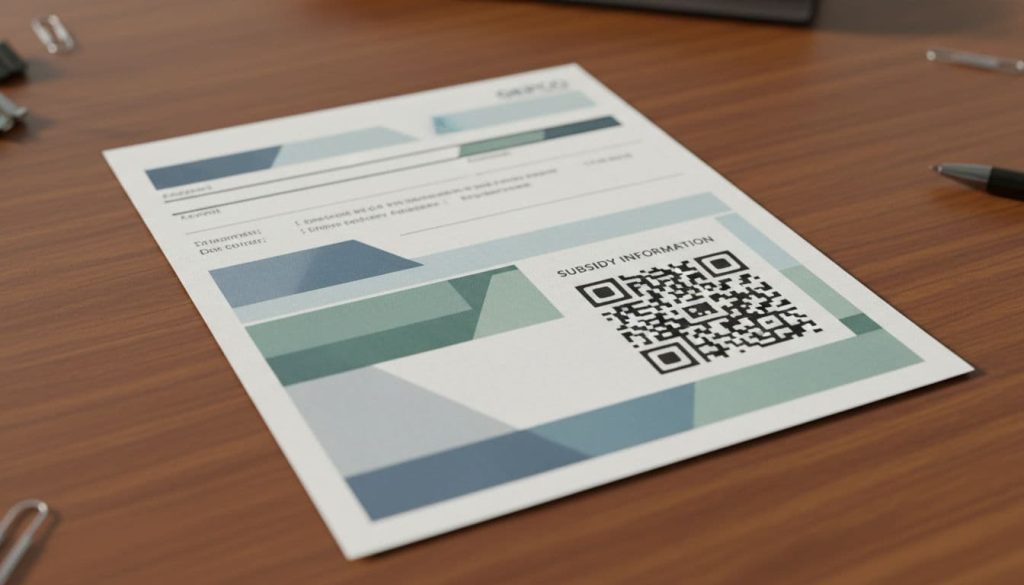
If your bill includes any relief amount or subsidy entry, the QR result can help you cross-check it. That is why this small square matters more than it looks.
Why the QR code on a GEPCO bill matters
A monthly bill can be hard to read at a glance. Numbers sit close together, and one missed line can change how you understand the total. Because of that, the QR code helps many users confirm bill details without typing long reference numbers by hand.
A subsidy may appear on some bills based on the customer category or current relief rules applied to that bill. So, if you think you qualify, the QR code gives you a faster way to see whether the linked bill details reflect that amount.
What information the QR code usually connects to
After scanning, you may see the consumer or account details, billing month, units used, bill amount, due date, and any subsidy-related entry shown with the bill. You may also see the total payable amount after any adjustment.
This matters because the QR code is a shortcut to bill data, not a separate payment tool. It helps you check what the bill says, but you still need to read the printed bill itself.
The safest habit is simple: scan the code, then compare the linked details with the paper bill in your hand.
Why GEPCO uses QR codes for bill verification
QR-based bill checks are easier because they cut down on manual entry. That means fewer reading mistakes and faster access from a phone. For many people, that alone saves time.
They also help build trust. If the code opens matching bill details, you can feel more confident that the bill month, account number, and subsidy line belong to your account. When something does not match, you can spot the problem early.
How to check the GEPCO bill subsidy using the QR code
The process is simple, and most phones can do it in under a minute.
- Open your phone camera or a QR scanner app.
- Hold the bill flat under good light.
- Point the camera at the QR code until a link appears.
- Open the result and check the billing month first.
- Compare the subsidy line, units used, and total payable amount with the printed bill.
- If the code does not open, try again with better light or a cleaner image.
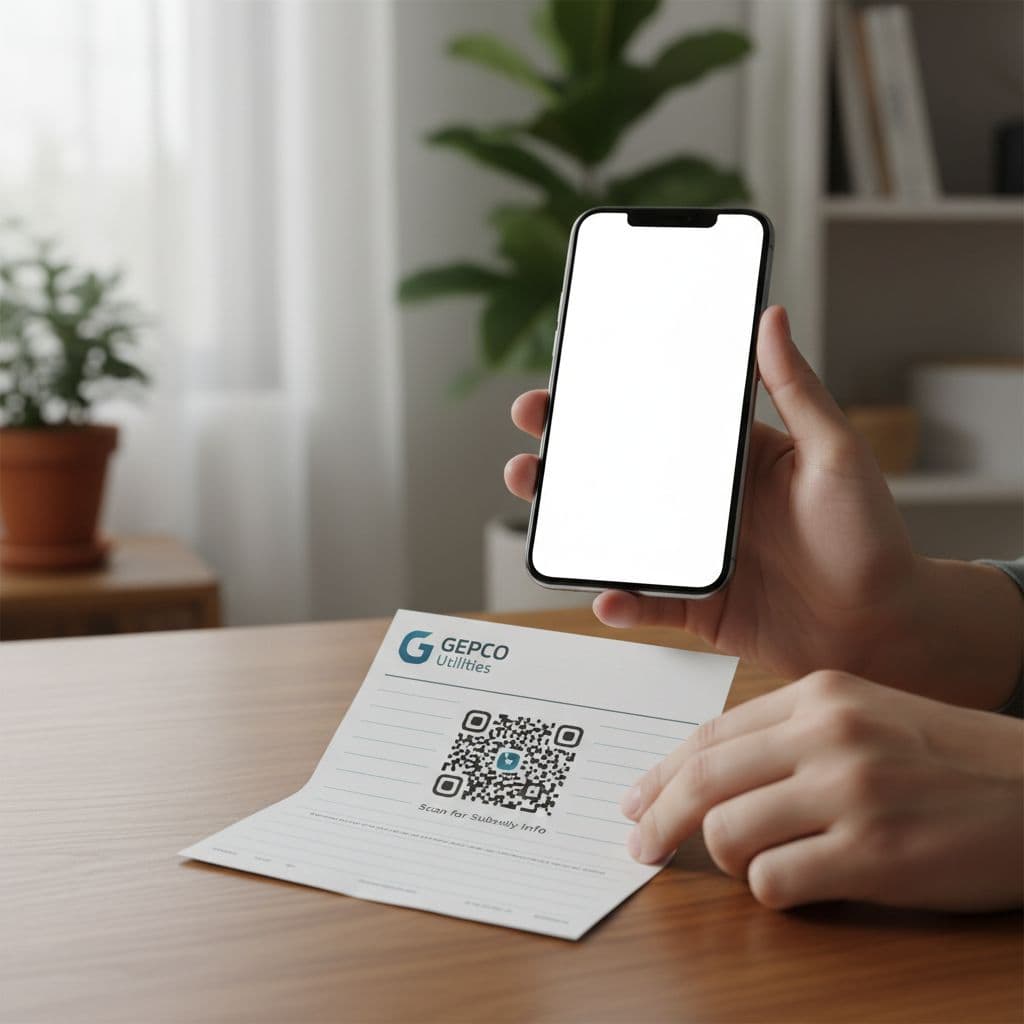
Scan the code from a clear photo or printed bill
A QR code must be sharp enough for the phone to read. So, use the original printed bill when possible. If you only have a photo, make sure the image is clear, bright, and not cropped.
Blur is a common problem. A torn corner, shadow, or low-quality screenshot can also stop the scan. Because of that, place the bill on a flat surface and let the camera focus before you move.
Review the bill details after the code opens
Once the linked details appear, check the billing month first. If it is not July 2026, stop and recheck the bill. After that, confirm the account or consumer details match your own bill.
Next, look at the subsidy amount or relief line, if one appears. Then compare the units used, total bill amount, payable amount, and due date with the printed copy. If the numbers match, the subsidy entry likely appears as intended.
What to do if the QR code does not work
Start with the simple fixes. Clean the camera lens, move into better light, and hold the phone still for a second or two. If the bill is folded, flatten it first.
You can also try a different QR scanner app if the camera does not detect the code. A low-quality image may fail even when the code looks visible, so using the original bill often works better.
If scanning still fails, use the bill’s reference details for a manual bill check. The printed bill information is still your backup, and customer support can help if the linked data remains unclear.
How to tell whether the subsidy on your bill looks correct
A subsidy should not feel like a mystery. In most cases, it should line up with the bill category or relief rules applied to your account, and the numbers should make sense when you compare the printed bill with the scanned details.
Common signs the subsidy was applied properly
A bill usually looks right when a few clear details match:
- The subsidy line appears on the printed bill or linked bill details.
- The payable amount is lower than the amount before relief or adjustment.
- The account information shown after scanning matches your bill.
- The billing month and units used are the same in both places.
When these points line up, the bill is easier to trust. You still need to read it carefully, but the chance of a mismatch is lower.
When a bill needs a closer look
Sometimes the warning signs are obvious. The subsidy may be missing, the total may jump without a clear reason, or the QR result may show account details that do not match your bill.
Unreadable or incomplete QR results also deserve attention. If the linked details open but look wrong, do not rush to pay. A manual check can save you from paying against the wrong data.
If the QR result shows a different account number or billing month, treat that as a red flag and verify the bill first.
Conclusion
The easiest way to check a GEPCO bill subsidy in July 2026 is to scan the QR code, match the account and month, and compare the subsidy amount with the printed bill. That quick check can catch mistakes before payment.
If the code does not open, the bill’s reference details still give you a path to verify the amount. A careful review of every bill is the best way to spot subsidy issues early and avoid paying the wrong total.