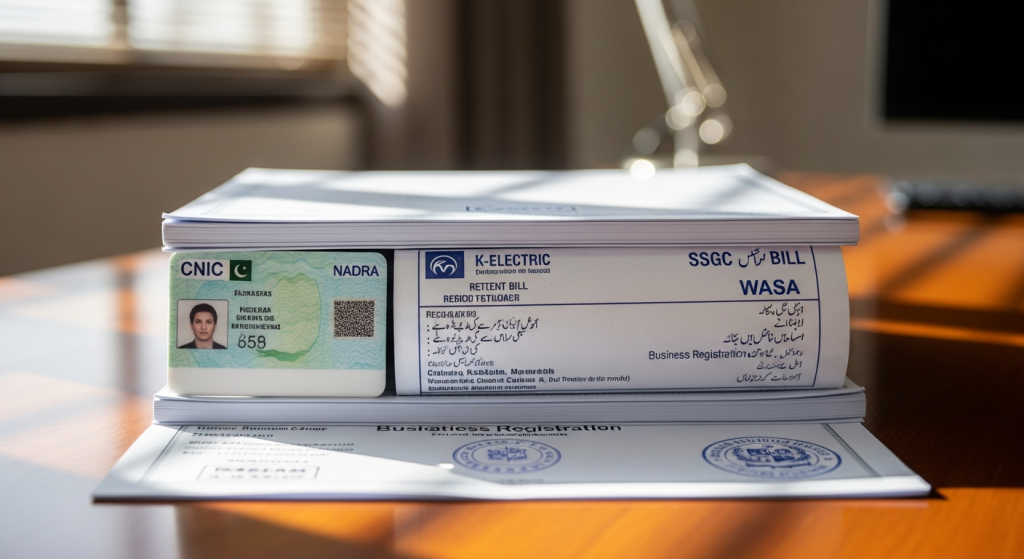
PESCO Electricity Subsidy QR Code July 2026

The Peshawar Electric Supply Company (PESCO) has rolled out a QR code-based subsidy verification system as part of the Pakistani government’s ongoing efforts to deliver targeted electricity relief to deserving households. If you’re a PESCO consumer in Khyber Pakhtunkhwa (KP) wondering how to benefit from the July 2026 electricity subsidy, this guide covers everything — from what the QR code scheme is, to how you can register, verify your eligibility, and claim your subsidy without any hassle.
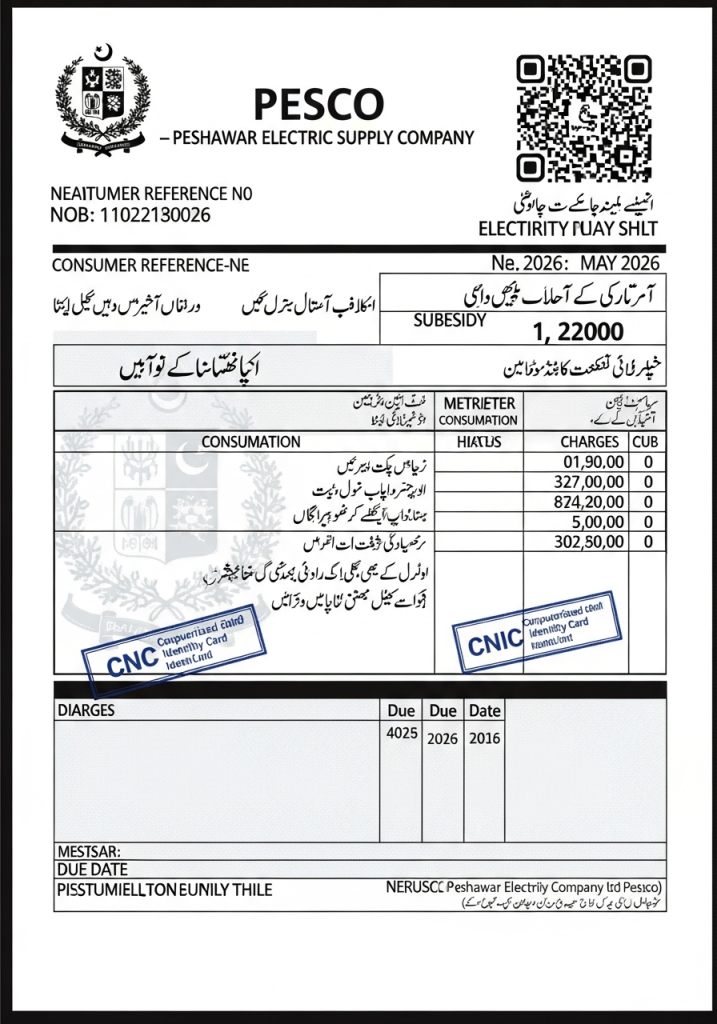
PESCO Electricity Subsidy QR Code July 2026

What Is the PESCO Electricity Subsidy QR Code July 2026 Scheme?

The PESCO electricity subsidy QR code scheme is a digital verification system introduced to ensure that electricity subsidies reach only eligible low-income and protected consumers. Instead of blanket subsidies that benefit everyone regardless of income, the government is now using QR codes printed on electricity bills to help consumers verify their subsidy status, confirm registered details, and receive targeted relief.

The QR code on your PESCO bill serves as a digital identity link between your consumer account and the government’s subsidy database. When scanned, it provides instant access to your subsidy eligibility status, registered name, national identity number, and the amount of relief applied to your current bill.

This initiative falls under the broader National Electricity Consumer Protection and Subsidy Rationalization Program, which aims to redirect energy subsidies toward those who genuinely need them — particularly households consuming less than 200 units per month.

Who Is Eligible for the July 2026 PESCO Electricity Subsidy?

Eligibility for the PESCO electricity subsidy in July 2026 is determined by several key criteria:

  • Consumption threshold: Households consuming up to 200 units per month are the primary beneficiaries of the protected consumer subsidy. Those using between 201 and 300 units July qualify for partial relief under certain income conditions.
  • Benazir Income Support Programme (BISP) registration: Families already registered under BISP or the National Socio-Economic Registry (NSER) are automatically considered for subsidy inclusion.
  • Single-phase residential connections: The subsidy is typically applicable to residential single-phase consumers rather than commercial or industrial connections.
  • No arrears disqualification: Consumers with significant outstanding dues may be excluded from subsidy benefits until their account is regularized.
  • CNIC linkage: Your electricity meter must be linked to a valid CNIC (Computerized National Identity Card) through NADRA’s verification system.

It is important to note that eligibility is reviewed each billing cycle, and changes in consumption patterns or registration status can affect whether a subsidy is applied.

How to Scan and Use the QR Code on Your PESCO Bill

Your July 2026 PESCO electricity bill should carry a unique QR code, usually printed in the top-right or bottom section of the bill. Here’s a step-by-step guide to using it:

Step 1: Locate the QR Code

Find the square barcode on your printed PESCO bill. If you receive a digital bill via SMS or email, the QR code will appear as an embedded image.

Step 2: Open a QR Code Scanner

Use your smartphone’s built-in camera app or any trusted QR code scanning application. Most modern Android and iPhone cameras can detect QR codes automatically — simply open the camera and point it at the code.

Step 3: Scan the Code

Hold your phone steady over the QR code until it is recognized. A link or notification will appear on your screen. Tap on it to proceed.

Step 4: View Your Subsidy Details

The link will direct you to the PESCO or NEPRA consumer portal, where you can see:

  • Your registered name and CNIC
  • Your consumer reference number
  • Current month’s bill amount
  • Subsidy amount applied
  • Protected consumer status (Yes/No)
  • Any pending verification requirements

Step 5: Save or Screenshot Your Status

Keep a record of your subsidy confirmation page. This may be required if you need to visit a PESCO office to resolve a dispute or make a correction.

How to Register for the Subsidy If You Are Not Yet Enrolled

If you believe you are eligible but are not receiving the electricity subsidy, you can apply for enrollment through the following process:

  1. Visit your nearest PESCO Customer Services Center (CSC) with your original CNIC, a recent electricity bill, and proof of residence.
  2. Submit a subsidy registration request form, which is available at the CSC or downloadable from the PESCO official website.
  3. NADRA verification will be conducted to cross-check your CNIC against the national database and income/registry records.
  4. BISP/NSER data matching — if you are a registered BISP beneficiary, your subsidy enrollment may be processed automatically once your consumer account is linked.
  5. Confirmation SMS — upon successful registration, you will receive an SMS confirmation on your registered mobile number, and the subsidy will reflect in your next billing cycle.

Consumers who do not have a CNIC-linked meter should prioritize getting their connection registered in their name to avoid being excluded from future relief programs.

Common Issues and How to Resolve Them

QR Code Not Scanning

If the QR code on your bill is not scanning, it may be due to a print quality issue. In that case, you can manually type your reference number on the PESCO consumer portal at pesco.gov.pk to check your subsidy status.

Subsidy Not Reflecting on Bill

If you were previously receiving a subsidy but it does not appear on your July 2026 bill:

  • Check if your monthly units exceeded the 200-unit threshold.
  • Verify that your CNIC details match those on your meter registration.
  • Visit your PESCO CSC with your bill and CNIC to raise a complaint.

Wrong Name or CNIC on Bill

If the QR code scan reveals incorrect personal information, visit your local PESCO office to request a consumer data correction. Bring your original CNIC, the bill, and any proof of ownership or tenancy.

Subsidy Removed Without Notice

The government periodically conducts data cleansing exercises. If your subsidy was removed, it may be because your consumption pattern changed, your NSER/BISP status was updated, or your account was flagged for verification. You have the right to appeal by submitting a written request at your CSC.

Why the QR Code System Matters

Pakistan’s energy sector has long struggled with the economic burden of untargeted subsidies, costing billions of rupees annually and disproportionately benefiting middle- and upper-income consumers who use more electricity. The QR code verification system is a step toward smart, data-driven subsidy delivery.

By digitizing the verification process, the government and PESCO aim to:

  • Reduce subsidy leakage by eliminating ineligible recipients.
  • Improve transparency so consumers can instantly verify what relief they are receiving and why.
  • Streamline grievance redressal through digital records.
  • Empower low-income consumers with real-time access to their entitlements.

This kind of targeted relief, backed by NADRA’s biometric data and BISP’s poverty registry, represents a modern approach to public utility management in Pakistan.

Final Thoughts

The PESCO electricity subsidy QR code for July 2026 is more than just a technical feature on your bill — it is your direct window into understanding what government relief you are entitled to and how it is being applied. Whether you are a current subsidy recipient looking to verify your status, or an eligible household still waiting to be enrolled, knowing how the system works puts you in a stronger position to claim what is rightfully yours.

As Pakistan continues to reform its energy subsidy framework, staying informed and keeping your consumer account details updated with PESCO and NADRA will be essential. Scan your QR code, check your status, and if something does not look right, do not hesitate to raise it with your local PESCO office.

The government’s goal is clear: put the right relief in the right hands. Your job as a consumer is to make sure your information is accurate and your account is in good standing.
HESCO Subsidy Program Registration 2026

HESCO subsidy program registration 2026 is one of the most searched topics among electricity consumers in Hyderabad Electric Supply Company’s service area right now — and for good reason. With July 2026 bringing updated eligibility rules, revised deadlines, and a renewed focus on targeted relief, both first-time applicants and returning users need a clear, up-to-date guide to navigate the process confidently.

Whether you are applying for the first time or want to confirm your status under the latest program guidelines, this article walks you through everything — from understanding who qualifies, to completing your registration correctly, to checking your status after you apply. Read every section carefully before you begin, because small mistakes can cause major delays.

HESCO Subsidy Program Registration July 2026

What the HESCO Subsidy Program Is and Who It Helps

The HESCO electricity subsidy program is a government-backed initiative designed to reduce the electricity cost burden for eligible consumers in the HESCO service region, which covers Hyderabad, Sukkur, Mirpurkhas, and surrounding areas of Sindh. The program is part of Pakistan’s broader energy affordability policy and is administered through the Hyderabad Electric Supply Company in coordination with NEPRA and the federal government.

At its core, the program ensures that households and individuals who cannot comfortably afford standard electricity rates receive either a direct bill reduction, a protected consumer rate, or a monthly subsidy credit applied to their account. The July 2026 round of registrations reflects updated government priorities and may include revised income thresholds, new documentation requirements, or expanded categories of eligible consumers.

Why the Subsidy Program Exists

The primary goal of the HESCO subsidy program is to make electricity accessible and affordable for low-income and vulnerable segments of the population. Electricity is no longer a luxury — it powers homes, runs small businesses, keeps agricultural pumps working, and supports basic daily life. Without financial relief, a large portion of HESCO’s consumer base would face either unmanageable bills or forced disconnections.

By offering subsidized rates or bill relief, the government aims to reduce energy poverty, prevent illegal connections that strain the grid, and ensure that the most economically vulnerable households are not left behind by rising electricity costs. The July 2026 program continues this mission with a sharper focus on verified, targeted relief rather than broad subsidies.

Who Usually Qualifies for Help

While the exact July 2026 eligibility criteria should always be confirmed through official HESCO sources, the program has historically supported the following groups:

  • Low-income residential households consuming up to 200 units per month
  • BISP (Benazir Income Support Programme) beneficiaries registered in the NSER database
  • Small farmers using single-phase agricultural connections for tube wells or irrigation
  • Widows, persons with disabilities, and senior citizens meeting income requirements
  • Consumers in rural or underdeveloped areas with limited economic activity

Eligibility is generally based on a combination of monthly electricity consumption, household income level, CNIC registration, and NADRA data verification. Consumers with commercial connections, multiple meters, or accounts with large outstanding dues are typically excluded from the protected consumer subsidy. Final eligibility for July 2026 depends entirely on the official criteria announced by HESCO and the relevant government ministry.

HESCO Subsidy Program Registration 2026: What to Know Before You Apply

Before you begin the HESCO subsidy program registration July 2026 process, it is important to understand what may have changed this year. The government has been progressively moving toward a stricter, data-driven model of subsidy delivery. This means that blanket subsidies are being phased out and replaced with verified, targeted relief based on NADRA records, BISP data, and actual consumption patterns.

For July 2026, applicants should be aware of the following before starting:

  • Re-registration may be required even if you received the subsidy in a previous period. Programs are often reset or updated on an annual or semi-annual basis.
  • CNIC linkage is mandatory. Your electricity meter must be registered under your own CNIC or your household head’s CNIC in the HESCO system. If your meter is in someone else’s name, you may need to update the ownership records first.
  • Digital registration is increasingly preferred. HESCO has been expanding its online portal capabilities, and many registrations are now processed digitally or through verified app-based platforms.
  • Income and BISP status will be cross-checked. Providing false information can result in disqualification and removal from future programs.
  • Deadlines matter. Missing the July 2026 registration window may mean waiting for the next cycle, which could be months away.

Review all official HESCO announcements before beginning your application to ensure you are following the current process.

Documents and Details You Should Gather First

Having your documents ready before starting the registration saves time and reduces the chance of errors. Based on the general requirements of similar programs, you should prepare the following:

  • Original CNIC (Computerized National Identity Card) — yours and your spouse’s if applicable
  • Recent HESCO electricity bill — ideally the most recent one, showing your consumer reference number
  • Proof of residence — your bill itself often serves this purpose, but a rental agreement or property document may also be needed
  • BISP beneficiary card or registration number — if you are a BISP recipient, this significantly strengthens your application
  • Mobile phone number — registered in your name for OTP verification and SMS updates
  • Proof of income or financial status — this could be an affidavit, salary slip, or a poverty score certificate from NSER
  • Photograph — a recent passport-size photo may be required for in-person submissions

Keep both original documents and clear photocopies ready. If submitting online, scan your documents clearly and save them in PDF or JPG format before starting the form.

Common Mistakes That Delay Approval

Many applicants face unnecessary delays because of avoidable errors. Here are the most common mistakes and how to prevent them:

  • Entering the wrong CNIC number — double-check every digit before submitting
  • Using an old or incorrect consumer reference number — always copy it directly from your latest bill
  • Submitting expired documents — make sure your CNIC is valid and not expired
  • Mismatched names — the name on your CNIC must match the name on your HESCO consumer account exactly
  • Skipping required fields — incomplete forms are automatically rejected by the system
  • Applying through unofficial channels — only use the official HESCO website, designated offices, or government-approved portals
  • Not saving proof of submission — always take a screenshot or print a copy of your confirmation or reference number
  • Applying with someone else’s CNIC — this leads to immediate disqualification and potential flagging

Taking five extra minutes to review your form before submission can save you weeks of delay.

How to Complete the Registration Step by Step

Once you have all your documents ready and have reviewed the current July 2026 program requirements, follow these steps to complete your HESCO subsidy program registration.

Starting the Application the Right Way

Begin by visiting the official HESCO website or the official government subsidy registration portal announced for July 2026. Do not rely on links shared on social media, WhatsApp, or third-party websites, as these are often fraudulent.

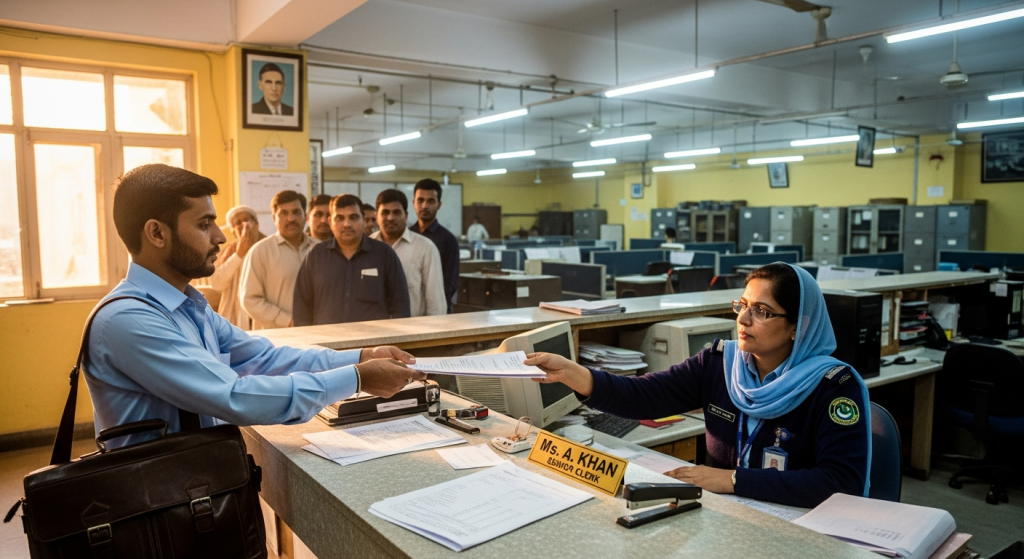
If you prefer or need in-person assistance, visit your nearest HESCO Customer Services Center (CSC) or a BISP facilitation center in your area. Bring all original documents with you. Staff at these centers can guide you through the form and verify your details on the spot.

Before filling in any form, read the eligibility checklist displayed on the official page to confirm you qualify. If you are unsure about any requirement, call the HESCO helpline before proceeding rather than guessing.

Submitting Your Information and Checking for Confirmation

Once you begin the registration form, fill in all required fields carefully:

  1. Enter your CNIC number exactly as it appears on your card
  2. Enter your HESCO consumer reference number from your latest bill
  3. Provide your active mobile number for OTP and updates
  4. Upload or present your supporting documents
  5. Review everything on the summary screen before hitting submit

After submission, you should receive one of the following:

  • An on-screen confirmation message with a reference number
  • An SMS to your registered mobile number acknowledging receipt
  • printed receipt from the HESCO office if applying in person

Save this confirmation. It is your proof of application and will be needed for any follow-up queries. Note down your reference number in a safe place.

What to Do If the Form Is Rejected or Delayed

If your application is rejected or you receive a notification that it could not be processed, do not panic. Follow these steps:

  1. Read the rejection reason carefully — it is usually provided in the SMS or on the portal
  2. Fix the specific error — whether it is a wrong document, mismatched name, or missing field
  3. Gather any additional documents that may have been flagged
  4. Resubmit the corrected application through the official channel
  5. Contact HESCO support if you cannot identify the error or believe the rejection was incorrect

If your application is delayed rather than rejected, give the process the standard processing time mentioned in the official program guidelines before following up. Contacting support too early will not speed up the process.

How to Check Your Status and Stay Updated After You Apply

Submitting your registration is only part of the process. Staying informed about your application status and watching for updates on the July 2026 program is equally important.

Where to Look for Official Updates

After applying, monitor the following for updates on your status:

  • SMS notifications on your registered mobile number — these are the most direct way HESCO and government systems communicate approval or rejection
  • HESCO official website — check the consumer portal section for status lookup using your reference number or CNIC
  • Official HESCO social media pages — verified government accounts sometimes post program updates and deadline extensions
  • Local HESCO office noticeboards — physical notices about registration results or updated requirements
  • BISP centers — if your application is linked to BISP, updates may come through that channel as well
  • HESCO helpline: 118 — for direct inquiry about your application status

Avoid sharing your CNIC or reference number with unofficial sources claiming to check your status for you.

When to Follow Up If You Do Not Hear Back

If you have submitted your application and received a confirmation reference number, allow a reasonable waiting period — typically two to four weeks — before following up. Processing times may be longer during peak registration periods such as July 2026 when many applications are submitted simultaneously.

If you have waited the expected period and received no update, it is appropriate to:

  • Call the HESCO helpline (118) and provide your reference number
  • Visit your nearest HESCO Customer Services Center in person
  • Submit a written inquiry if helpline wait times are long

Be patient but proactive. One polite follow-up after the expected waiting period is reasonable. Keep a record of every interaction, including call times and the name of any staff member you speak with.

Conclusion

The HESCO subsidy program registration 2026 is an important opportunity for eligible consumers in Sindh to reduce their electricity costs and access protected consumer benefits. To make the most of this opportunity, keep these key points in mind:

  • Confirm your eligibility based on the official July 2026 criteria before applying
  • Gather all required documents including your CNIC, latest bill, and proof of income
  • Apply only through official HESCO channels — the website, designated offices, or approved portals
  • Review your form carefully before submitting to avoid common errors that cause delays
  • Save your confirmation and reference number after submission
  • Check your status via SMS, the HESCO portal, or the helpline after the standard waiting period

Most importantly, always verify the latest July 2026 requirements directly from official HESCO sources before you begin. Program rules and deadlines can change, and acting on outdated information may result in missed opportunities or application errors.

FESCO Cross Subsidy Program Apply Online 2026

Introduction

FESCO cross subsidy program apply online 2026 is one of the most searched topics for electricity customers looking for relief on their bills this year. With energy costs affecting households across the region, many people are turning to the online application process as a straightforward way to access the support they may be entitled to.

This guide is written for customers, applicants, and families who want to understand how the program works and how to apply without delays or confusion. Whether you are applying for the first time or trying to understand why a previous attempt didn’t go through, this article will walk you through everything you need. You will learn how to check your eligibility, what documents to prepare, how to complete the online application step by step, and what common mistakes to avoid so your request has the best chance of being approved.

FESCO Cross Subsidy Program Apply Online 2026: What You Need to Know First

FESCO Cross Subsidy Program Apply Online 2026

FESCO cross subsidy program apply online 2026 is the search that brings many customers to this guide, and for good reason. Understanding the basics before you start can save time, reduce stress, and help you avoid the errors that cause applications to be delayed or rejected.

The cross subsidy program is designed to provide electricity cost relief to eligible customers by redistributing support from higher-usage consumers to those who use less or qualify based on their circumstances. In 2026, the online application route has become the primary and most efficient way to submit a request, check status, and receive updates — making it essential for applicants to use the correct official process.

This section explains what the program does, who it supports, and why going through the proper online channel matters. By the end of this guide, you will know how to check whether you qualify, how to apply through the official portal, and how to track your application once it has been submitted.

How the cross subsidy program helps eligible users

The cross subsidy program works by providing a reduction or adjustment in electricity charges for customers who meet specific criteria. Eligible users typically receive a benefit that lowers the effective rate they pay per unit, helping to reduce the overall bill amount each month.

The support is structured so that lower-consumption or lower-income households receive a proportionate benefit. In simple terms, qualifying customers pay less for their electricity than the standard commercial rate, with the difference offset through the wider billing structure.

For households managing tight budgets or facing consistently high bills despite moderate usage, this program can make a meaningful difference. The key is understanding whether your connection type, usage history, and personal circumstances align with the program’s criteria — which is covered in the next section.

Who should consider applying this year

Not every FESCO customer will qualify for cross subsidy support, and it is important to be realistic about eligibility before investing time in the application. The program is generally intended for low-income households, customers with limited monthly electricity consumption, and individuals who meet specific conditions set out in the current program guidelines.

If you are a residential customer on a domestic connection with a modest usage history, you are in the category most likely to be considered. Small users — those whose bills reflect genuinely limited consumption rather than seasonal variation — are typically the target group for this kind of support.

Applicants should also be aware that program criteria can be updated each year. What applied in 2024 or 2025 may have shifted for 2026, so it is worth reviewing the current eligibility rules on the official FESCO portal before beginning the application rather than assuming previous terms still apply.

Check If You Qualify Before Starting the Application

Before you open the online form, take a few minutes to check whether your account and circumstances meet the eligibility requirements. This one step can save significant time and reduce the risk of having your application returned or rejected after submission.

Eligibility checks are not complicated, but they do require you to look at your account details honestly. Having your bill and personal information to hand before you start will make this process much quicker.

Common eligibility details to review

The details most commonly reviewed when assessing eligibility for the cross subsidy program include your customer status, meter type, connection category, and monthly usage levels. Domestic customers on a standard residential connection are usually the primary group considered, while commercial or industrial connections may not qualify.

Your bill history matters too. Applicants with consistent low or moderate usage are more likely to meet the program’s consumption criteria. If your usage varies significantly from month to month — for example, due to a business or seasonal activity — this could affect the assessment.

You should also check that your account is active, that there are no outstanding disputes on the connection, and that the name and details on the account match your CNIC or identity documents. Mismatches between account records and personal identification are one of the most common reasons applications are delayed.

Reasons an application may be delayed or rejected

Applications are most commonly delayed or rejected because of issues that could have been caught before submission. Wrong customer data — such as an incorrect reference number or a name that doesn’t match the official bill — is one of the leading causes of rejection.

Missing or unreadable documents are another frequent problem. If the system cannot verify a document because it is blurry, cropped, or out of date, the application will be paused until the issue is resolved.

Other common causes include submitting on a connection that is not eligible under the current program terms, applying on behalf of a property where ownership or tenancy details are unclear, or using an account that has been inactive or flagged for irregularities. Reviewing all of these points before you submit will put you in a much stronger position.

How to Apply Online Step by Step

The online application process is straightforward once you know what to expect. Follow the steps below in order, and keep your documents ready before you begin. Rushing through the form or skipping steps is the most common reason for errors, so take your time at each stage.

Create or sign in to the official portal

The first step is to visit the official FESCO website. It is important to use only the official portal — do not use third-party websites, links sent via WhatsApp or SMS from unknown sources, or any page that asks for payment in exchange for help with the application. The official process is free.

If you already have an account on the portal, sign in using your registered credentials. If you are a new user, you will need to register with your customer reference number, CNIC, and a valid mobile number or email address. Keep your login details secure and do not share them with anyone offering to apply on your behalf.

Once you are logged in, look for the cross subsidy application section within your account dashboard or the services menu. The portal layout may be updated periodically, so if you cannot locate the option immediately, check the help or announcements section for guidance.

Fill out the form and upload your documents

The online form will ask for a combination of personal details and account information. You should expect to enter your full name as it appears on your CNIC, your national identity number, your FESCO customer reference number, your registered address, and a current contact number.

Fill in each field carefully and match the information exactly to your official documents. Any inconsistency — even a small spelling difference — can cause the system to flag the application for manual review, which adds time to the process.

Once the form is complete, you will be asked to upload supporting documents. Ensure that each document is clear, current, and fully visible. Files should be in the accepted format — usually PDF or image files — and should not be too large to upload. Blurry photographs or scanned documents with missing edges are a common reason for delays, so check each file before attaching it.

Submit the request and save your confirmation

After reviewing all the information and checking that your documents have uploaded correctly, submit the application using the confirmation button on the portal.

Once submitted, the system should provide a confirmation screen, a tracking reference number, or a submission receipt. Save this immediately — take a screenshot, write down the reference number, or download the confirmation document if the option is available. This reference is what you will use to check your application status later, and it is also your proof of submission if anything goes wrong.

Do not close the browser before saving your confirmation. If you submit and do not receive a reference number or confirmation message, do not resubmit immediately — log out and log back in to check whether the application appears in your account history first.

Documents and Details You Should Keep Ready

Preparing your documents before you start the form will make the whole process faster and reduce the chance of errors. Gather everything listed below in advance so you are not searching for items mid-application.

Personal and account information

The basic personal and account details you will need include your CNIC number, your full name as printed on your identity card, your current phone number, your FESCO customer reference number (printed on your electricity bill), and your registered property address.

All of these details should match the information held on your account and on your identity documents exactly. If your address on the bill differs from your CNIC or you have recently moved, resolve that discrepancy with FESCO before applying — submitting with conflicting records will slow the process.

Proof you may need to upload

Depending on the specific requirements at the time of application, you may need to upload copies of one or more of the following: a recent FESCO electricity bill, a copy of your CNIC (front and back), and proof of address or occupancy such as a tenancy agreement or property ownership document.

Requirements can vary based on the program terms in effect at the time you apply, so it is worth checking the portal or the latest FESCO guidance before your application to confirm exactly which documents are needed. Having all of the above ready will mean you are covered regardless of which combination is required.

How to Track Your Application and What to Do Next

Submitting your application is not the final step. Once it is in the system, you will need to monitor its progress and be ready to respond if any additional information is requested.

Ways to check application status

The most reliable way to check your application status is to log in to the same official FESCO portal you used to apply. Most online systems display a current status against each submitted application — common statuses include received, under review, approved, or action required.

If the portal offers a reference number lookup without requiring login, you can use that with the tracking number from your confirmation. Some systems also send SMS updates to the registered mobile number at key stages of the process, so keep the number you used during registration active and check it regularly.

If you have difficulty accessing the portal or cannot find your application, FESCO customer support can be contacted through the official helpline or service center. Have your reference number and CNIC ready when you call or visit.

What to do if your application is still pending

If your application has been pending for longer than the expected processing window, the first step is to log in and check whether there are any notifications or action items attached to your application. Sometimes the system flags a missing document or an incomplete detail without sending a notification, so a direct check is worthwhile.

If everything appears complete and there are no outstanding requests on your file, wait a little longer before escalating. Processing times can be affected by application volumes, especially during peak periods. If the delay extends significantly beyond the timeframe shown on the portal, contact FESCO support with your reference number and ask for a status update.

Avoid resubmitting the application unless you are specifically instructed to do so — duplicate submissions can create confusion and may cause further delays rather than resolving the original one.

Conclusion

The FESCO cross subsidy program online application process in 2026 is designed to be accessible, but it rewards applicants who prepare carefully. From checking your eligibility before you start to uploading clear documents and saving your confirmation number, each step matters.

The most important things to take away from this guide are: use only the official FESCO portal, make sure your personal and account details are consistent across all documents, prepare your files before you open the form, and keep your reference number safe after submitting. Avoiding the common mistakes — mismatched data, missing documents, and incorrect connection types — will give your application the best possible chance of being approved without unnecessary delays. Take your time, follow the steps, and review the current program rules before you begin.

LESCO Electricity Bill Relief Low Income July 2026: What You Need to Know

LESCO electricity bill relief low income July 2026 is one of the most important topics for struggling households in the Lahore Electric Supply Company service area right now. Electricity bills have become one of the heaviest financial pressures on low-income families across Pakistan, and as July 2026 approaches, many households are actively searching for information about available relief — whether in the form of subsidies, bill discounts, or payment support — that could ease the monthly burden.

This guide is written for families who are struggling with high power costs and want a clear, trustworthy explanation of what help may be available, who is likely to qualify, and what steps to take right now to prepare. No confusing policy language — just practical, straightforward guidance you can act on.

What the July 2026 LESCO Bill Relief Program Is Trying to Do

The LESCO electricity bill relief effort for low-income households in July 2026 is part of a broader government push to protect the most economically vulnerable consumers from the full impact of rising electricity tariffs. The core goal is straightforward — to make sure that families with limited monthly income are not pushed further into financial hardship simply because of the cost of keeping their lights on.

LESCO, which serves Lahore and surrounding districts of Punjab, administers relief programs in coordination with the federal government, NEPRA, and social protection systems such as BISP. The specific form that relief takes in July 2026 — whether a direct bill reduction, a targeted subsidy, or a payment flexibility arrangement — depends on the official policy announcement made by the relevant authorities for that period.

Who the Relief Is Meant to Help

The relief program is aimed primarily at:

  • Low-income residential households with monthly consumption falling within defined thresholds, typically up to 200 units per month
  • BISP and NSER-registered families whose poverty scores place them within the eligible income bracket
  • Fixed-income households such as pensioners, daily wage workers, and families dependent on a single low income
  • Widows, persons with disabilities, and senior citizens in qualifying categories
  • Consumers in underdeveloped or low-income urban and peri-urban areas within LESCO’s service zone

Eligibility for any specific benefit depends entirely on the official July 2026 criteria. The categories above reflect the groups that have historically been prioritized under similar programs, but readers should always verify their status against the current official announcement.

What Kind of Help People May Receive

The form of support available under the July 2026 relief program may include one or more of the following:

  • Protected consumer tariff — a subsidised per-unit rate applied automatically to qualifying low-consumption accounts
  • Bill discount or waiver — a percentage reduction applied to the total bill for eligible consumers
  • Targeted subsidy credit — a fixed monthly relief amount credited directly to the consumer’s account
  • Installment or deferred payment arrangement — allowing overdue or large bills to be paid in smaller monthly amounts without disconnection
  • One-time relief for overdue amounts — a structured clearance plan for consumers who have accumulated arrears

The exact benefit available to any individual household depends on their eligibility classification, consumption history, and the specific terms of the July 2026 program as announced by LESCO and the relevant government ministry. Do not assume a specific amount or type of relief until it has been confirmed through official sources.

How to Check If You Qualify for LESCO Bill Relief

Before expecting any relief to appear on your bill or submitting any request, it is important to check whether your account and household situation actually meet the eligibility requirements. This saves time and helps you avoid following incorrect advice or waiting for something you do not qualify for.

Documents and Details You May Need

Have the following ready before checking your eligibility or visiting any LESCO office or official portal:

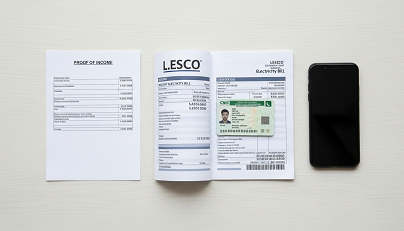
  • Latest LESCO electricity bill — shows your consumer reference number, connection type, and units consumed
  • Original CNIC — both yours and your spouse’s if applicable; must be valid and not expired
  • Proof of income or financial status — this could be a salary slip, a BISP beneficiary card, an NSER registration number, or an affidavit of income
  • Proof of residence — your bill may serve this purpose, or a rental agreement if the meter is not in your name
  • Active mobile number — registered in your name for OTP verification and update notifications
  • Recent passport-size photograph — may be required for in-person submissions or new registrations

Keep both originals and clear photocopies ready. If you are submitting online, scan each document clearly before beginning the process.

LESCO Electricity Bill Relief Low Income July 2026: What to Do Next

LESCO electricity bill relief low income July 2026 applicants should follow a clear action plan now — before the official announcement window opens — so they are ready to move quickly when the program details are confirmed. Being prepared in advance is what separates applicants who receive relief promptly from those who miss out because they were not ready in time.

Here is what you should do next, step by step:

  1. Check your latest LESCO bill and confirm your consumer type, monthly units, and whether any subsidy is already being applied
  2. Verify your CNIC linkage — your meter must be registered under a valid CNIC in the LESCO system
  3. Check your BISP or NSER status — if you are a registered beneficiary, your relief eligibility may be processed automatically
  4. Gather all required documents in advance so you are not scrambling when the application window opens
  5. Save your consumer reference number somewhere safe and accessible

Steps to Take Before Your Next Bill Arrives

Acting before your next bill arrives gives you the best chance of having any approved relief reflected in your upcoming payment. Right now, you should:

  • Save a copy of your most recent bill — both a paper copy and a phone photo as backup
  • Note your bill due date and make sure you do not miss it while waiting for relief to be confirmed
  • Set a reminder to check LESCO’s official website every few days from late May onward for July 2026 updates
  • Confirm your registered mobile number is active — this is where confirmation messages and OTP codes will be sent
  • Clear any small outstanding dues if possible — accounts with arrears may face delays in relief processing

Taking these steps now costs nothing and puts you in the strongest possible position when the relief program opens.

How to Avoid Delays or Missed Support

Even eligible consumers sometimes miss out on relief because of avoidable delays. Here is how to stay on track:

  • Use correct and consistent personal details — your name, CNIC, and consumer number must match across all documents and forms
  • Respond quickly to any verification request from LESCO — delayed responses can push your application to the next cycle
  • Follow the official process exactly — do not skip steps or try unofficial shortcuts
  • Keep copies of every form, receipt, and confirmation you receive throughout the process
  • Do not wait for reminders — monitor the official channels yourself and act as soon as the program details are confirmed
  • Ask for help at your nearest LESCO office if any step is unclear rather than guessing

Conclusion

The LESCO electricity bill relief low income July 2026 program represents a real opportunity for struggling households to reduce their monthly electricity costs — but only for those who are prepared, informed, and acting through the right channels.

The most important things to remember are simple: check your eligibility early, gather your documents in advance, use only official LESCO and government sources for information, and respond quickly when the program opens. Do not wait for someone else to tell you what to do — take these steps yourself, starting today.

If you are a low-income household in the LESCO service area and your bills are putting pressure on your budget, this program may be exactly the help you need. Stay alert, stay informed, and be ready to act the moment the official July 2026 announcement is made.

How to File a GEPCO Overbilling Complaint 2026 — Complete Step-by-Step Guide

Introduction

If you live in Gujranwala, Sialkot, Narowal, Gujrat, Hafizabad, or Mandi Bahauddin, your electricity is supplied by the Gujranwala Electric Power Company (GEPCO). While GEPCO serves millions of consumers across Punjab, billing errors — inflated readings, wrong slab calculations, extended billing cycles — are a documented, widespread problem.

NEPRA fined GEPCO Rs. 50 million in late 2025 for overbilling consumers, admitting the company “affected millions of consumers” through manipulated meter readings that caused T&D losses to exceed the 9% regulatory limit and reach 11.48%. That fine confirms what many consumers already know: your inflated bill is not always a coincidence.

This guide gives you every real tool you need — verified helpline numbers, official website links, required documents, step-by-step complaint procedures, timelines, and escalation paths — to fight back and get your money corrected or refunded.


Who Is This Guide For?

This guide is for GEPCO consumers who:

  • Received a bill significantly higher than their normal usage
  • Believe their meter was not read correctly
  • Were billed for more than 30 days in a single cycle
  • Were wrongly moved to a higher tariff slab (e.g., Protected → Unprotected)
  • Found suspicious charges like arrears, LPS (Late Payment Surcharge), or adjustment units they don’t recognize

Common Causes of Overbilling in GEPCO

Before filing a complaint, it helps to understand why your bill may be inflated:

CauseWhat Happens
Extended billing cycle (>30 days)More units pushed into a higher slab
Estimated reading instead of actualMeter not physically read; estimate applied
Wrong consumer categoryMoved from Protected to Unprotected without reason
Faulty or slow meterMeter overcounts units consumed
Carry-forward arrearsOld dues added without explanation
Incorrect sanctioned loadIncorrect load on record triggers higher fixed charges
Billing period manipulationOver 1.2 million GEPCO consumers were billed for more than a 30-day billing cycle in August 2023, causing slab changes from lower to higher and status changes from Protected to Unprotected for thousands of consumers. The Express Tribune

What You Need Before Filing a Complaint

Gather these documents before you call, visit, or submit online. The more you have, the faster your case moves:

  1. Current electricity bill (the one you’re disputing) — full original copy
  2. Last 3–6 months’ bills — to show your normal consumption pattern
  3. CNIC (National Identity Card) — original and photocopy
  4. 14-digit Reference Number — printed on the top-left corner of every GEPCO bill
  5. Meter reading photograph — taken on the date you received the bill (if possible)
  6. Mobile number registered with GEPCO — for SMS tracking updates
  7. Written consumption history — note down your average monthly units for the complaint officer

GEPCO Official Contact Information (2026)

ChannelDetails
Primary Helpline118 (24/7, free from any mobile or landline)
SMS ComplaintSend complaint to 8118
HQ Phone+92-55-9200504, +92-55-9200516, +92-55-9200592
Head Office (Senior Complaints)055-9200513
Emergency / Control Room055-9200592
Official Websitegepco.com.pk
Bill Check Portalbill.pitc.com.pk
HQ Address565-A, Model Town, G.T Road, Gujranwala

The GEPCO helpline number 118 is available 24/7, and you can register your complaint at any time of the day or night. Online GEPCO Bill


Method 1 — File a Complaint by Phone (Helpline 118)

This is the fastest first step for most consumers.

Step 1: Dial 118 from any Pakistani mobile or landline — it is free of charge.

Step 2: When connected, tell the representative:

  • Your 14-digit reference number
  • Your name and CNIC
  • The billing month you are disputing
  • The nature of the problem (high bill, wrong reading, wrong slab, etc.)

Step 3: The agent logs your complaint and gives you a Complaint Reference/Ticket Number. Write this down immediately — you will need it for tracking.

Step 4: If you cannot get through on 118 (wait times increase during storms or peak summer months), you can send your complaint via SMS to 8118 or call the GEPCO regional headquarters directly. Onlinebillchecker

Resolution Timeline: First-level billing complaints are typically acknowledged within 24–48 hours. Investigation takes 7–14 working days.


Method 2 — File a Complaint Online via CCMS

GEPCO’s Customer Complaint Management System (CCMS) allows you to submit and track billing complaints without visiting any office.

Step 1: Go to gepco.com.pk and look for the “Complaint” or “E-Complaint” section.

Step 2: Click the online complaint/E-Form button.

Step 3: Fill in the following fields:

  • Full Name
  • 14-digit Reference Number
  • CNIC
  • Mobile Number
  • Billing month under dispute
  • Nature of complaint (select “Overbilling / High Bill”)
  • Description of the problem (brief, factual — e.g., “Bill shows 850 units; normal average is 280 units”)

Step 4: Attach a photograph of your meter and the disputed bill if possible.

Step 5: Submit the form. The system generates a Ticket ID automatically.

Step 6: Use your Ticket ID on the CCMS portal to track the real-time status of your complaint, or call 118 with your reference number to request an update. You can also use the “GEPCO Light” mobile app to monitor progress. Onlinebillchecker


Method 3 — Visit Your Sub-Division Office in Person

If phone and online channels have not resolved your issue within 14 working days, visit your nearest GEPCO Sub-Division Office in person.

What to bring:

  • Original disputed bill + photocopies
  • CNIC original + photocopy
  • Meter reading photograph (on your phone is fine)
  • Previous 3 months’ bills
  • Your complaint ticket number (from phone/online complaint)
  • A written application addressed to the SDO (Sub-Divisional Officer)

What to say: Request a meter test if you believe the meter is faulty. You have a legal right to request a meter accuracy test under NEPRA Consumer Service Manual rules. A nominal fee may apply for the physical meter test (typically Rs. 200–500 depending on meter type), which is refunded if the meter is found defective.

Who to meet:

  • SDO (Sub-Divisional Officer) — first point of escalation
  • Revenue Officer — for billing disputes and slab corrections
  • XEN (Executive Engineer) — if SDO fails to resolve within the stipulated period

Method 4 — Escalate to NEPRA (Regulator)

If GEPCO does not resolve your complaint within 30 days, escalate to NEPRA — the National Electric Power Regulatory Authority.

NEPRA Consumer Affairs Department (CAD):

  • Website: nepra.org.pk
  • Phone: 051-9207200
  • Email: cad@nepra.org.pk
  • Address: NEPRA, Omer Chambers, 2nd Floor, G-5/1, Islamabad

What to submit to NEPRA:

  • Your original GEPCO complaint ticket number
  • Timeline of events (dates you complained, responses received)
  • Copies of disputed bills
  • Written summary of the dispute

NEPRA formally logs the complaint, issues a directive to GEPCO, and monitors resolution. NEPRA has shown it is willing to impose heavy fines — including Rs. 50 million against GEPCO — for overbilling violations, so this escalation path carries real weight. TechJuice


Method 5 — Pakistan Citizen Portal (PM Delivery Unit)

For consumers who want government-level tracking, the Pakistan Citizen Portal is another escalation route.

  • App: Download “Pakistan Citizen Portal” from Google Play or App Store
  • Web: complaints.app.gov.pk
  • Register a complaint against any DISCO, WAPDA, or NEPRA through the Citizen Portal. Complaints are tracked with a reference ID and escalated to the relevant department automatically. Checkbills

This channel is particularly useful when GEPCO is unresponsive at the local level, as it routes the complaint through the Prime Minister’s Delivery Unit.


GEPCO Slab Structure — How Overbilling Happens Through Slab Manipulation

One of the sneakiest forms of overbilling is slab jump caused by an inflated unit reading. Understanding GEPCO’s slab system shows why even a small overcounting of units can massively inflate your bill.

Units Consumed (Monthly)CategoryNotes
1 – 100 unitsLifeline (Protected)Lowest tariff
101 – 200 unitsProtectedSubsidized rate
201 – 300 unitsSlab 3Rate increases
301 – 500 unitsSlab 4Significantly higher
501 – 700 unitsSlab 5Peak domestic rate
700+ unitsSlab 6Highest domestic rate

If your actual consumption is 280 units but GEPCO bills you for 320 units (due to extended cycle or estimated reading), you move to Slab 4 — and every unit gets billed at the higher rate, not just the extra 40 units. This is how a small error creates a very large bill.

A fixed monthly service charge applies to every GEPCO consumer connection regardless of how much electricity is consumed, covering meter maintenance and distribution infrastructure costs. This charge does not change — but your units-based charges can double or triple with a slab change. Check Your Bill


Timelines to Expect

StageExpected Timeframe
Complaint registration (118 / online)Immediate — ticket issued same day
Initial response / acknowledgment24–48 hours
Meter reading verification3–7 working days
Meter test (if requested)7–10 working days
Bill correction / adjustment7–14 working days after formal complaint submission Check Your Bill
NEPRA escalation response30–45 days
Refund / credit in next billUsually in the billing cycle following resolution

Tips to Strengthen Your Complaint

  • Take meter photos monthly — on the day you receive your bill, photograph the meter display. This is your strongest evidence.
  • Keep all bills — at least 12 months of previous bills show your consumption pattern.
  • Don’t pay the disputed amount under protest without noting it — if you must pay to avoid disconnection, write “Paid Under Protest — Complaint Ref: [your ticket number]” on your payment receipt.
  • Follow up every 5–7 days — passive complaints get deprioritized. Call 118 regularly with your reference number.
  • Request everything in writing — ask the SDO or Revenue Officer to give you a written acknowledgment of any verbal assurances.

FAQ — GEPCO Overbilling Complaints 2026

Q1. What is the official GEPCO helpline number for billing complaints?
The official GEPCO helpline is 118, available 24 hours a day, 7 days a week, free from any Pakistani mobile or landline. You can also send an SMS complaint to 8118. For head office escalation, call 055-9200513.


Q2. How long does GEPCO take to resolve an overbilling complaint?
Billing disputes are typically investigated and resolved within 7 to 14 working days of formal complaint submission. If your case involves a physical meter test or category correction, it may take up to 30 days. If GEPCO does not resolve it within 30 days, escalate to NEPRA at nepra.org.pk. Check Your Bill


Q3. Can I refuse to pay my bill while my overbilling complaint is pending?
This is a practical risk: GEPCO can disconnect your supply for non-payment even during a complaint. It is safer to pay the undisputed portion (your estimated normal bill amount) to avoid disconnection, while clearly noting “Paid Under Protest” on your receipt. Once the complaint is resolved, GEPCO adjusts or refunds the excess in your next billing cycle.


Q4. What documents do I need to file a GEPCO overbilling complaint?
You need: (1) the disputed electricity bill, (2) your last 3–6 previous bills, (3) your CNIC, (4) your 14-digit reference number from the top of the bill, (5) a photograph of your meter showing the current reading, and (6) your registered mobile number. For in-person visits, bring originals and photocopies of all documents.


Q5. What if GEPCO ignores my complaint or fails to resolve it?
You have three escalation options: (1) Visit the GEPCO Sub-Division office and meet the SDO in person; (2) File a complaint with NEPRA’s Consumer Affairs Department at nepra.org.pk or cad@nepra.org.pk; (3) Register a complaint on the Pakistan Citizen Portal (complaints.app.gov.pk), which routes directly to the PM Delivery Unit and forces a tracked response from GEPCO. NEPRA has demonstrated willingness to take strong action, having fined GEPCO Rs. 50 million for overbilling violations.


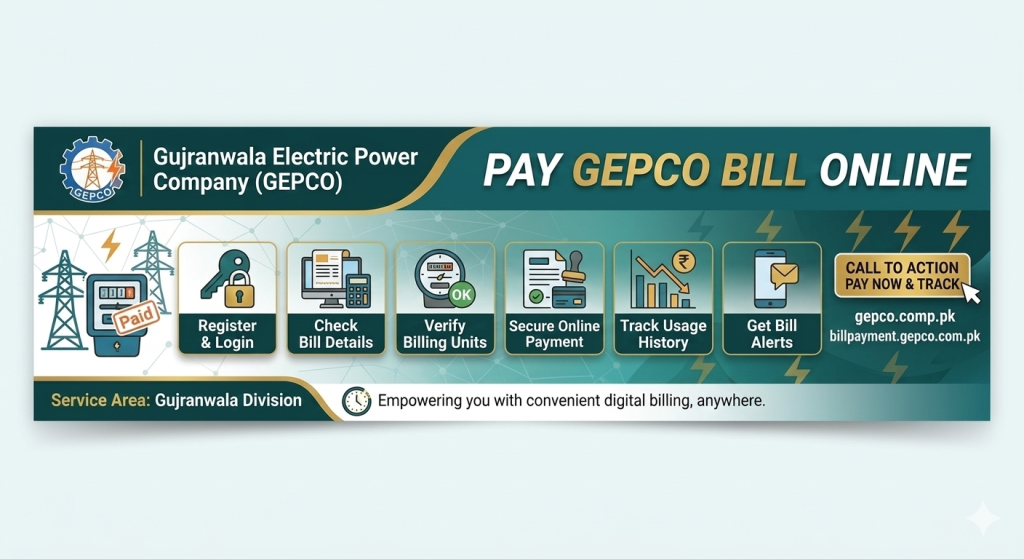
GEPCO bill online check

Quick Reference Summary


What You Need
Details
Primary Helpline118 (24/7)
SMS Complaints8118
Official Websitegepco.com.pk
Online Bill Portalbill.pitc.com.pk
NEPRA Escalationnepra.org.pk / cad@nepra.org.pk
Citizen Portalcomplaints.app.gov.pk
HQ Address565-A, Model Town, G.T Road, Gujranwala
Resolution Timeline7–14 working days (billing)

Back to Homepage
→ Related: How to Download Your GEPCO Duplicate Bill Online


About the Author: Nida Maqbool is a consumer rights and energy sector writer based in Punjab, Pakistan. He covers electricity billing, NEPRA regulations, and DISCO accountability, helping millions of Pakistani consumers understand and exercise their rights under the NEPRA Consumer Service Manual.

SEPCO Cross Subsidy Apply Online July 2026

Are you trying to understand how to complete your SEPCO cross subsidy apply online July 2026 application? This guide covers everything you need to know. The process can feel confusing, especially if it is your first time applying. In the sections below, we will walk through what cross subsidy means, how to apply online through SEPCO, which documents you should prepare, and common mistakes to avoid. Whether you are a commercial or industrial customer, reading this before you start will save you time and prevent unnecessary delays.

SEPCO Cross Subsidy Apply Online July 2026

SEPCO cross subsidy apply online July 2026: what it means and who should use it

The SEPCO cross subsidy apply online July 2026 process is designed to allow eligible customers to apply for a rate adjustment based on their usage category. Cross subsidy in the context of electricity billing means that some customer groups pay higher rates to support lower rates for others, usually domestic or low-income users. SEPCO, which stands for Sukkur Electric Power Company, uses this structure to keep bills affordable for essential users while recovering costs from higher-consumption categories. For July 2026, the application window is relevant to customers seeking to review their rate classification or apply for an exemption where eligible.

How cross subsidy affects your electricity bill

When cross subsidy applies to your account, your rate per unit may be higher than the base tariff. This can raise your monthly electricity bill significantly if you fall under a commercial or industrial category. Understanding which category you are in helps you decide whether to apply.

Who is most likely to need to apply online

Commercial users, small businesses, and industrial customers are the most common applicants. If you believe your customer category is incorrectly assigned, or if you qualify for a rate exemption, completing the online application with SEPCO is the correct first step.

How to apply online with SEPCO without getting stuck

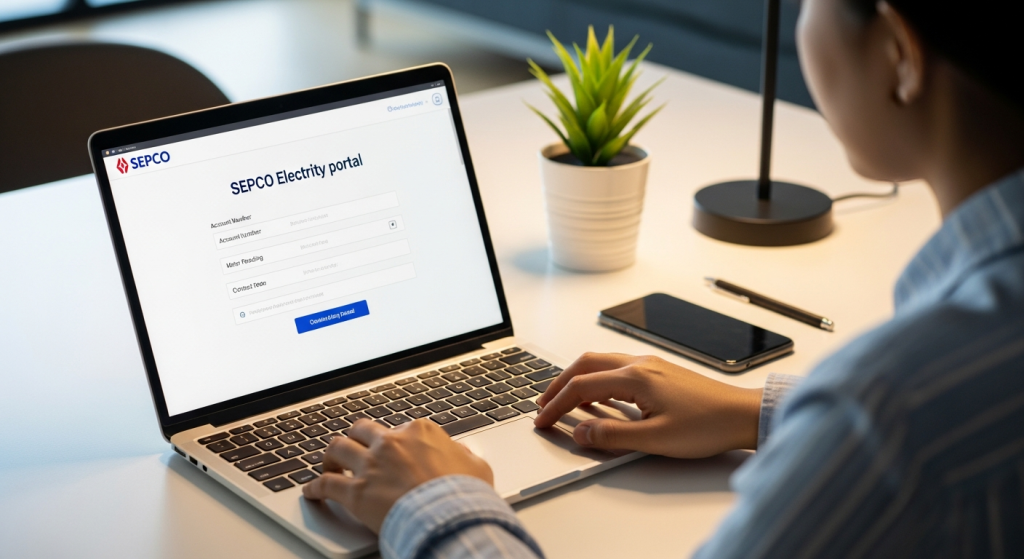
Completing the SEPCO cross subsidy apply online July 2026 process requires careful attention at each step. Start by locating the official SEPCO service portal. Avoid third-party websites that mimic official pages. Once you access the correct portal, locate the cross subsidy or rate review section. Read the instructions on the page before entering any details. Fill in all required fields completely and accurately. Double-check your account number and customer category before moving to the next step. After completing the form, review everything once more before submitting. Keep a copy of the submission confirmation for your records.

How to apply online with SEPCO without getting stuck

Start with the official SEPCO portal or service page

Always begin your online application from the official SEPCO website or a verified government portal. This ensures your data is handled correctly and that your application reaches the right department. Unofficial links can lead to errors, delays, or potential misuse of your information.

Important Security Tip

Always verify that you are on the official SEPCO website before entering any personal or billing information. Never share your details on unverified third-party platforms.

Fill in your details carefully the first time

When filling out the online application, you will likely need your account number, registered name, contact details, site address, and customer category. Even a small mismatch in the name or account number can cause your SEPCO cross subsidy apply online July 2026 application to be delayed or rejected.

Upload the right files and submit before the deadline

Readable scans are essential. Blurry or incomplete uploads are one of the most common reasons for rejection. Make sure each document is clear, all pages are included, and the file size is within the allowed limit. Submit your online application before the July 2026 deadline to avoid missing the window entirely.

Documents and details you should prepare before you apply

Before starting your SEPCO cross subsidy apply online July 2026 application, gather all required documents. Having everything ready before you open the form reduces errors and saves time. Typical requirements include a copy of your CNIC, a recent electricity bill, proof of ownership or tenancy for the premises, and business registration documents if you are applying as a commercial or industrial customer. Some applications may also require a written request letter explaining why you are applying for a rate review or cross subsidy adjustment.

Documents and details you should prepare before you apply

Paperwork that helps prove your eligibility

SEPCO may ask for supporting proof to verify that your premises and usage match the customer category you are claiming. Ownership documents, lease agreements, and trade licenses can all strengthen your case. Missing supporting evidence is a common cause of delays.

Simple mistakes that cause delays or rejection

The most frequent problems in online application submissions include missing pages in uploaded files, blurry scans, a name on the CNIC that does not match the account holder name on the electricity bill, and selecting the wrong customer category. Review each document before uploading to catch these issues early.

What happens after you submit the SEPCO application

Once you submit your SEPCO cross subsidy apply online July 2026 application, you will usually receive a confirmation message or reference number. Save this immediately. SEPCO will review your application and may take several business days or weeks depending on volume. During this time, they may contact you for additional documents or clarification. Respond promptly to any requests, as delays in your reply can slow down the entire review process. Once the review is complete, you will receive a notification about the outcome.

How to check your status and respond fast

Keep the reference number from your submission in a safe place. Check your registered email or phone number regularly for updates from SEPCO. If they ask for more information, respond as quickly as possible. Slow responses are one of the top reasons for extended processing times in cross subsidy and rate review cases.

When to contact support if nothing moves

If several weeks pass without any update on your online application, it is reasonable to follow up. Before contacting SEPCO support, have your reference number, account number, CNIC, and the date of submission ready. This will help the support team locate your application quickly.

Completing your SEPCO cross subsidy apply online July 2026 application is straightforward when you follow the right steps. Use the official SEPCO portal, prepare your documents in advance, and enter your details carefully. Submit before the deadline and save your confirmation. If you have not applied yet, start by checking your eligibility and gathering your electricity bill, CNIC, and any supporting documents. A few minutes of preparation now can save you significant time and money on your bills.